A mobile signal tower, also known as a cellular base station, is a place where electrical communication equipment and antennas are installed, allowing wireless communication devices such as telephones and radios to be used in surrounding areas. Mobile signal towers are usually built by signal tower companies or wireless operators to expand their network coverage or capacity, in order to provide better reception in the area. Mobile signal towers are mainly distributed throughout the United States, with over 307000 signal towers currently. They can sometimes be found at the top of buildings.
In the United States, over 300 million mobile phones are used every day. Whenever a mobile phone is used, it emits an electromagnetic radio wave called radio frequency, which is received by the antenna of the nearest mobile phone signal tower. Once the tower receives the signal, it will transmit it to the exchange. This allows the call to connect to another mobile phone or telephone network. It's crazy to think that all of this happened in just a few seconds.
The first type is called a lattice tower. This type of tower is also known as a self-supporting tower, which has incredible flexibility. It usually has three or four sides and a similarly shaped bottom.
The second type of tower is a unipolar tower. This type of tower has a steel pipe or concrete pipe tower, usually below 50 meters. It only requires a foundation. The antenna is connected to the outside.
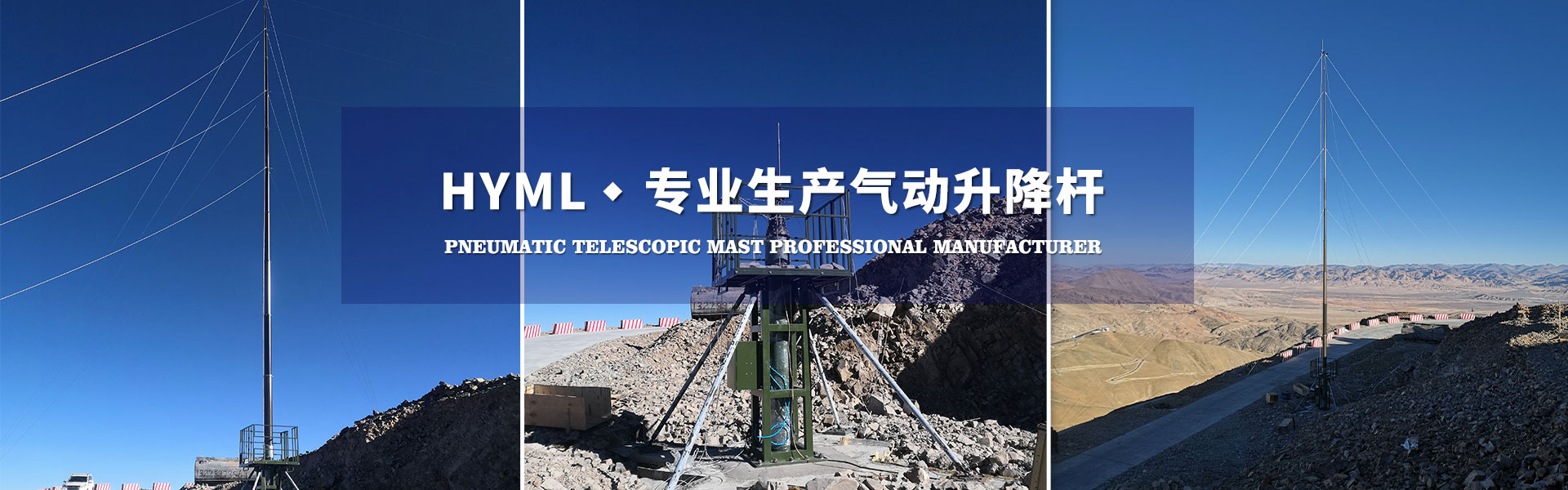
The third type is a cable tower, which has a high cost performance ratio but requires a large amount of land. It is usually built at a distance of 100 meters or more, connected to the anchor with ropes and supported. They adhere to the ground in all directions. Most radio and television towers are cable towers.
The fourth type is stealth towers, which are more expensive than the other three options but aimed at beautifying the community they are located in. For example, biomimetic tree towers. They need additional materials to help them hide in front of everyone. Although more attractive, they usually do not provide tenants with the same amount of capacity.
The ultra high speed technology of mobile phone towers depends on their components. In this section, you will hear us frequently mention cellular operators. This is because many parts of the cellular tower are provided by separate cellular operators (also known as wireless networks).
Copyright©2019-2025 Dongguan Alpha import and export Co., Ltd