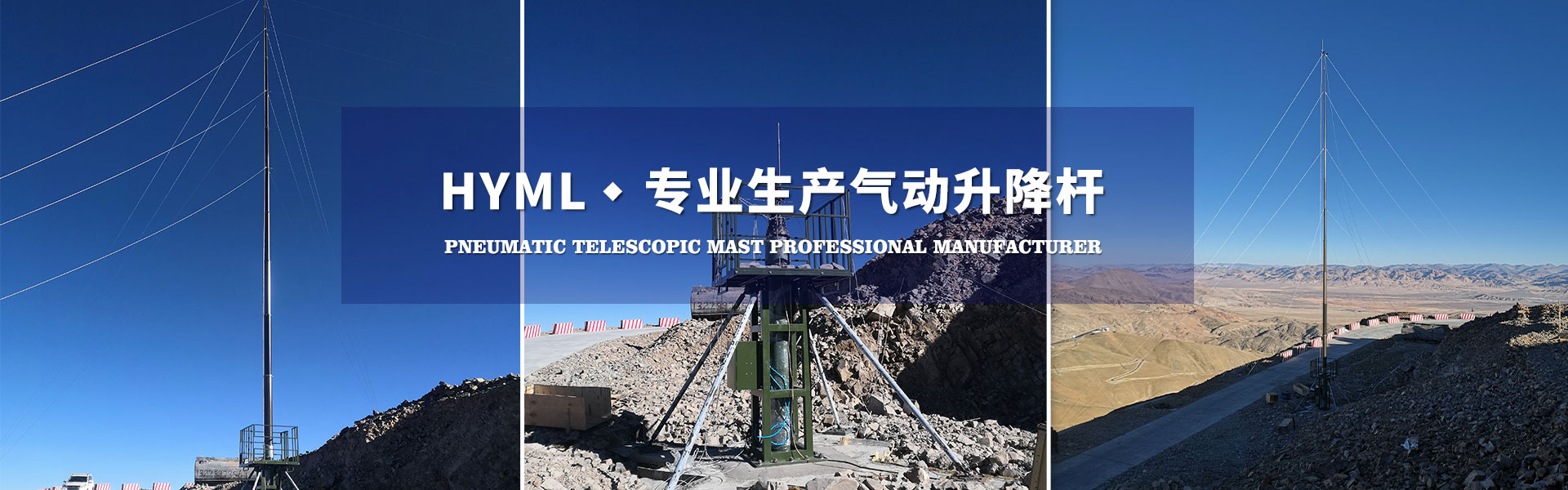
Steel support towers provide structural support frames for personnel or equipment during program execution within the facility. In any industry, they have multiple advantages over other structural support methods in many areas such as cost, versatility, safety, assembly speed, and maintenance requirements.
General Steel Support Towers and Their Applications
Conveyor tower: Bulk material handling typically requires the use of large conveying systems or bucket elevator conveying systems. The conveying tower supports this type of material handling system by providing appropriate conveying operations and ensuring the safe transportation of materials within the facility.
Personnel access tower: Staircase support tower, work platform, elevator support tower, and manned elevator support tower all belong to the category of personnel access tower, which enables personnel to enter key points within the facility. In addition, they also provide personnel protection and safety measures for risk-free work.
Communication Tower: Iron towers are widely used in broadcasting and telecommunications applications, providing support and personnel access for single antenna, directional AM antenna arrays, and even cellular network towers. The manufacturing of such towers requires manufacturers to adhere to strict industry guidelines to ensure that every communication tower constructed meets the requirements.
Tank and silo support towers: For many tanks and silos used for storing bulk materials, their shape or operational requirements do not allow such large containers to self support. For example, in a water tower, the water tank needs to be raised. Another example is a conical bottom silo that needs to be supported by steel towers in order to stand upright.
Process equipment tower: In many applications, such as the drying of semi-solid objects or particles or the use of fluidized bed chemical reaction processes, materials need to be processed vertically and combined with complex pipelines or pipeline networks. The construction of steel towers is to provide support for such industrial equipment, enabling many agricultural or chemical industrial applications to operate successfully.
Advantages of Support Tower
Steel support structures exist in various fields and applications because they provide various advantages that cannot be compared to other support methods. Some of the benefits include. Steel support towers are multifunctional products because they have structural integrity and weight support capabilities. The steel structure industry has implemented comprehensive regulations, covering all aspects from manufacturing to steel alloy grades/types to the use of standardized structural welding components. These regulations also cover overall design, construction, and inspection standards. This ensures that each steel support structure operates as designed and expected. Steel support towers have a long service life and low maintenance costs. Steel support towers typically include stairs or protective ladders with cages, handrails, and other necessary protections to ensure safe operation of personnel and reduce the risk of accidents. The tower structure is pre designed and prefabricated in the manufacturing factory, and only assembled on the construction site. This accelerates construction and assembly speed, minimizes the possibility of human errors in key operations such as cutting and welding, and reduces the risk of workplace accidents at client construction sites.